Tracking sleep has become a vital part of monitoring overall health and the Apple Watch provides users with an accessible way to do this. With the sleep tracking feature, users can gather insights about their sleep patterns. The Sleep app on the Apple Watch, combined with the Health app on the iPhone, makes it easy to record sleep cycles and set sleep schedules.
Many people struggle to understand the quality of their rest. With the Apple Watch, insights into one’s sleep become clear. The device collects data that can help identify trends and make necessary adjustments to improve sleep quality. By utilizing the Health app, this data becomes a powerful tool in striving for better rest and well-being.
Monitor Your Sleep with Apple Watch
Set Up Sleep Tracking
View Your Sleep Data
Tips for Accurate Sleep Tracking
Additional Features
Sleep Tracking Features
Apple Watch offers a convenient and insightful way to track your sleep patterns and improve your overall sleep quality. By using its built-in features and exploring third-party apps, you can gain valuable insights into your sleep habits and make positive changes for a more restful night.
Key Takeaways
Setting up Sleep Tracking on Apple Watch
The Apple Watch provides sleep tracking capabilities through its integrated Sleep app. This guide will walk you through the features and settings needed to effectively track sleep patterns using your device.
Understanding Sleep Tracking Features
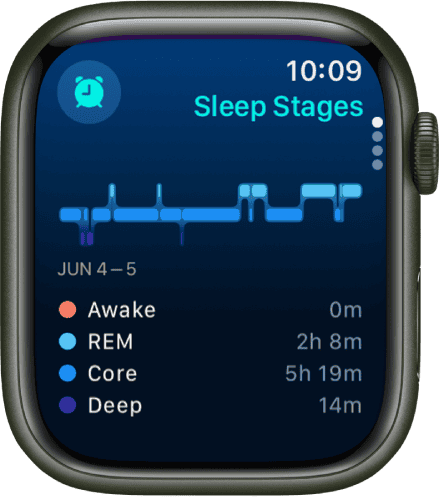
With the release of watchOS 7 and later, Apple Watch includes sleep tracking that helps users monitor their sleep patterns. The Sleep app can measure the time spent in bed and asleep. Additionally, updates such as watchOS 9 have improved sleep tracking by offering insights into various sleep stages including REM, core, and deep sleep. Users can view their sleep trends over time in the Health app on iPhone 6s or later with iOS 14 or newer versions.
Configuring Sleep Schedule and Goals
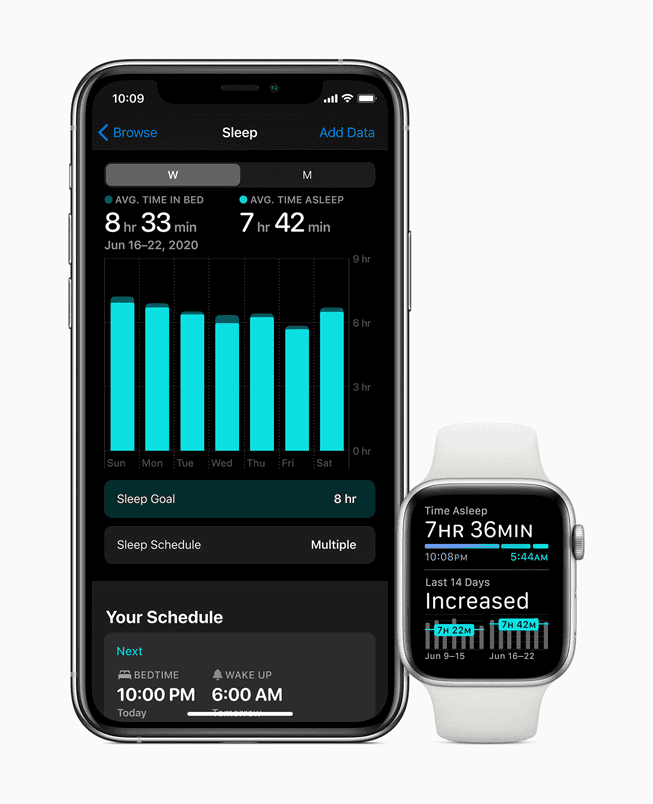
To start tracking sleep, set up a sleep schedule in the Sleep app on the watch or through the Health app on your iPhone. Each schedule can be customized for different days of the week:
Remember to establishcharging reminders, ensuring thewatch battery does not run outat night.
Optimizing Watch Settings for Sleep
Optimizing the watch settings can enhance sleep tracking accuracy and your sleep experience:
By adjusting these settings, users can track sleep with their Apple Watch while enjoying a comfortable and uninterrupted sleeping environment.
Analyzing and Understanding Sleep Data
Sleep data from anApple Watchprovides valuable insights intosleep patternsand quality. It can reveal how much time is spent in REM, deep sleep, and light sleep stages each night.
Interpreting Sleep Stages and Patterns
Using the Health app on an iPhone, users can view a graph of their sleep stages. The data breaks down sleep into REM, deep, and light sleep. REM is important for memory and mood, and deep sleep helps with physical recovery. Users should look for consistent patterns and note fluctuations.
Comparing Data Across Devices and Apps
Manythird-party sleep tracker appsare available for Apple Watch. They offer different metrics, like blood oxygen and respiratory rate. Comparing these with Apple’s sleep data can provide a fuller picture. Devices like Fitbit or Garmin have their own apps, which can serve as a cross-reference to understand sleep habits better.
Enhancing Sleep Quality Through Insights
Insights from sleep data can lead to better sleep quality. The Apple Health App highlights areas for improvement and allows goal setting. Watching trends over time can guide changes in bedtime routines or habits. This is important as high-quality sleep can improve one’s overall health significantly.
